Why Warsaw Uprising Museum PL Provides Emotional Experience
Explore the Core of Resistance: Discovering the Warsaw Uprising Memorial Museum
The Warsaw Uprising Museum serves as a testament to the resilience of those who faced oppression. It presents a unique insight into the sacrifices made during a critical chapter in history. Attendees can immerse themselves in immersive exhibits that highlight firsthand narratives and communal recollections. This examination of historical events prompts important questions about liberty and the enduring pursuit of democratic ideals. What wisdom can be extracted from these stories, and how do they resonate today?
Why The Warsaw Uprising Is Still Relevant Today
The significance of the Warsaw Uprising of 1944 resonates deeply in today's world, embodying perseverance amid oppression. This landmark historical occurrence, which transpired in the course of the Second World War, highlights the valor of the people who rose up against oppression, making it a powerful reference point for contemporary battles against authoritarian forces. The revolt acts as a reflection of the sacrifices made for independence, cultivating a feeling of responsibility to copyright the principles of democracy in the present day.
In an era marked by rising nationalism and populism, the lessons of the Warsaw Uprising encourage awareness against the deterioration of civil rights. It further cultivates a collective appreciation for the significance of joint endeavors in defending human rights. Moreover, the uprising unites generations, linking the narratives of past heroes with contemporary movements for justice. Consequently, its legacy continues to inspire individuals and communities worldwide, underscoring the perpetual pursuit of freedom and equality.
Explore Key Exhibits and Personal Stories
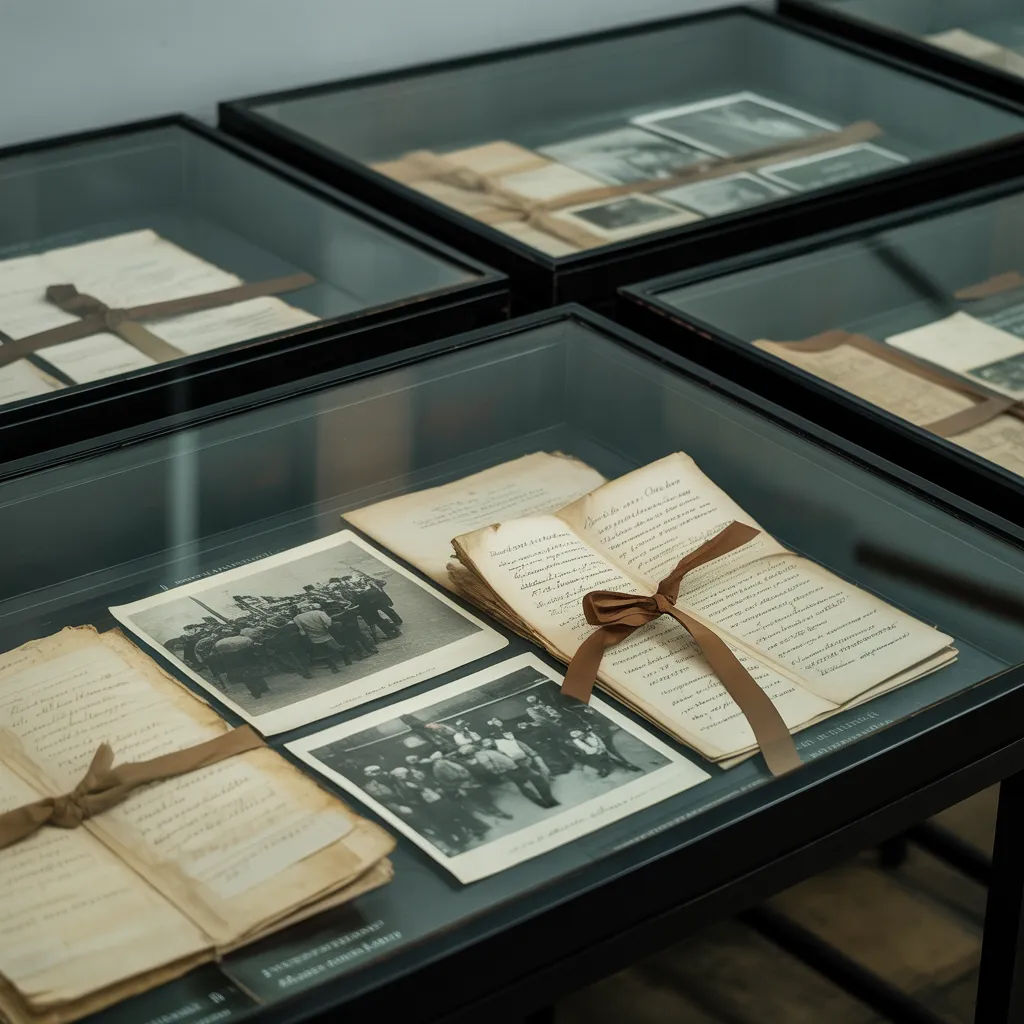
While visiting the museum dedicated to the Warsaw Uprising, one can discover significant showcases that breathe life into the profound struggles of those who lived through it. Among the museum's holdings are documents, personal mementos, and photographs that highlight the constant challenges experienced by both resistance members and ordinary citizens. One poignant exhibit features letters penned by uprising participants, exposing their innermost hopes and anxieties throughout the conflict. Yet another display brings to light the stories of families who were displaced, emphasizing the profound impact of the conflict on ordinary lives.
Additionally, the exhibit displays uniforms and weaponry used during the rebellion, offering insight into the desperate conditions. The story is enhanced by audio recordings of eyewitnesses sharing their stories, bringing a heartfelt perspective to the events of history. These displays not only inform guests about the rebellion but also celebrate the strength and valor of the individuals who defended their city, connecting history with contemporary audiences.
Can't-Miss Interactive Exhibits at The Museum
How do interactive exhibits help visitors better understand the Warsaw Uprising? The Warsaw Uprising Museum features these exhibits as a powerful means of connecting with history. A particularly notable exhibit enables visitors to explore a virtual map of the city as it appeared during the uprising, shedding light on the geographical obstacles encountered by insurgents. A further immersive exhibit recreates the sounds of combat, surrounding visitors with the powerful atmosphere of resistance.
In addition, the exhibit offers a moving interactive wall where attendees can leave personal reflections, creating a deep link to the broader historical context. Electronic displays present firsthand accounts from those who lived through it, bridging the gap between then and now. These interactive elements not only enlighten but also stir emotional connection, making the complexities of the Warsaw Uprising clearer and more meaningful. Through these innovative installations, the exhibit converts learning about history into a compelling adventure that leaves a lasting impression with its audience.
Helpful Tips For Your Museum Visit
What important tips can help maximize a visit to the Warsaw Uprising Museum? To begin with, it is recommended to set aside at least two to three hours for a comprehensive exploration of the exhibits. Guests are encouraged to purchase tickets online ahead of time to bypass important guide lengthy lines, particularly during busy tourist seasons. Audio guides can be obtained and are highly suggested, as they offer important background information and greater understanding of the exhibits.
Getting there early in the day can additionally improve the overall experience, creating a more peaceful environment. Sturdy shoes are highly recommended, as the venue involves significant amounts of walking and standing. In addition, guests are encouraged to review the museum's calendar for exclusive events, educational workshops, or informative guided tours that could enrich their understanding. Finally, engaging with the museum staff for recommendations can lead to discovering lesser-known artifacts and stories that showcase the strength of Warsaw's residents throughout the uprising.
How The Uprising Forms Modern Polish Identity
The Warsaw Uprising remains a pivotal event in the history of Poland, deeply shaping the collective identity of the nation. This remarkable 1944 rebellion against Nazi forces embodies bravery, determination, and the pursuit of liberty. The Uprising has grown into a key reference point in modern Polish nationalism, cultivating a spirit of unity among people who regard it as a testament to their collective past and ideals.
In present-day Poland, the Uprising is honored in a variety of ways, from public ceremonies to cultural expressions, reinforcing a collective memory that shapes national consciousness. The bravery demonstrated during the Uprising is honored through literature, cinema, and art, serving to inspire national pride.
Moreover, the Uprising's remarkable influence inspires ongoing discussions about sacrifice, democracy, and historical memory, impacting civic engagement and political discourse. Therefore, the Warsaw Uprising's significance endures as a cornerstone of Poland's national identity, reflecting the undying spirit of resistance and the quest for sovereignty.
Empowering Future Generations Through The Museum
The Warsaw Uprising Museum serves a vital function in educating young visitors via its engaging displays, which engage them with the key moments of the rebellion. In maintaining these accounts, the museum not only honors the past but also fosters a spirit of accountability in future generations. This approach nurtures a deeper understanding of history and its ongoing impact on Polish identity.
Inspiring Through Interactive Exhibits
Whereas most museums strive to protect history, the Warsaw Uprising Museum adopts a unique methodology by engaging visitors through interactive exhibits. These thoughtfully crafted exhibits allow guests to fully experience the experiences of those who lived through the uprising. By incorporating multimedia showcases, virtual reality simulations, and engaging activities, the museum cultivates a profound appreciation of the historical significance and emotional impact of the events. Attendees can discover real artifacts and immerse themselves in storytelling that transforms history into a living experience, rendering it accessible to newer generations. This engaging framework not only informs but also cultivates compassion and analytical thought, guaranteeing that the insights of the uprising extend far beyond the museum walls, molding the viewpoints of the leaders of tomorrow.
Preserving Historical Narratives Impact
Via its immersive exhibits, the Warsaw Uprising Museum not only enlightens visitors but also fulfills a significant purpose in maintaining historical narratives that speak to those who follow. By showcasing individual accounts, relics, and multimedia presentations, the museum cultivates a deeper appreciation of the importance of the Uprising. This involvement helps to affirm that the contributions made during this pivotal chapter in history are not overlooked. The museum emphasizes the significance of resilience, courage, and collective memory, inspiring young people to contemplate their own values and responsibilities. As attendees form emotional bonds with the past, they are inspired to become involved members in creating a better tomorrow. As a result, the museum serves as a essential conduit for passing on these important stories over the years.
Personal Accounts That Bring History to Life
Amidst the remnants and collections of the Warsaw Uprising Museum, individual stories rise as powerful demonstrations of strength and bravery. Each story, be it from a combatant or an ordinary citizen, offers a poignant glimpse into the lived reality during one of history's darkest times. The institution presents handwritten letters, personal diaries, and recorded testimonies that express the emotions of loss, hope, and defiance, permitting attendees to engage with these events in an intimately meaningful way.
These accounts underscore the intricacies of endurance, demonstrating how common people rose to become remarkable heroes. They expose the ethical challenges encountered throughout the uprising and the ties built in the face of adversity. By presenting these deeply personal stories, the museum not only preserves history but also emphasizes the importance of distinct voices in molding collective remembrance. Ultimately, these intimate narratives reshape the comprehension of the uprising, enabling it to find relevance in modern conversations surrounding resistance and identity.
Frequently Asked Questions
What Are the Museum's Business Hours and Ticket Prices?
The museum operates seven days a week from 10 AM to 6 PM, with extended hours on Thursdays until 8 PM. Entry fees are 25 PLN per adult, whereas students and seniors receive discounted admission at 15 PLN.
Does the Warsaw Uprising Museum Offer Guided Tours?
Yes, guided tours are offered at the Warsaw Uprising Museum. These guided experiences deliver in-depth insights into the exhibits and historical context, enhancing visitors' understanding of the significance and events of the revolt. Advance reservations are strongly advised.
Are Photos Allowed Inside the Museum?
Taking photographs is typically not allowed inside the museum so as to safeguard the exhibits and maintain the respectful atmosphere of the venue. Attendees are kindly asked to appreciate the experience without the use of cameras, focusing instead on the historical significance.
Are There Any Gift Shops or Cafés Located On-Site?
Indeed, the museum offers both a souvenir shop and a cafeteria within the facility. Patrons have the opportunity to shop for keepsakes and indulge in light refreshments, adding to the enjoyment of their trip while exploring the historical significance of the museum's exhibitions.
Are There Any Upcoming Special Events or Exhibitions?
The museum regularly hosts special events and exhibitions. Scheduled programs include presentations, film showings, and hands-on exhibits, giving attendees greater knowledge about the historical significance of the Warsaw Uprising and its enduring legacy.